

Brussels Signals Independent Action
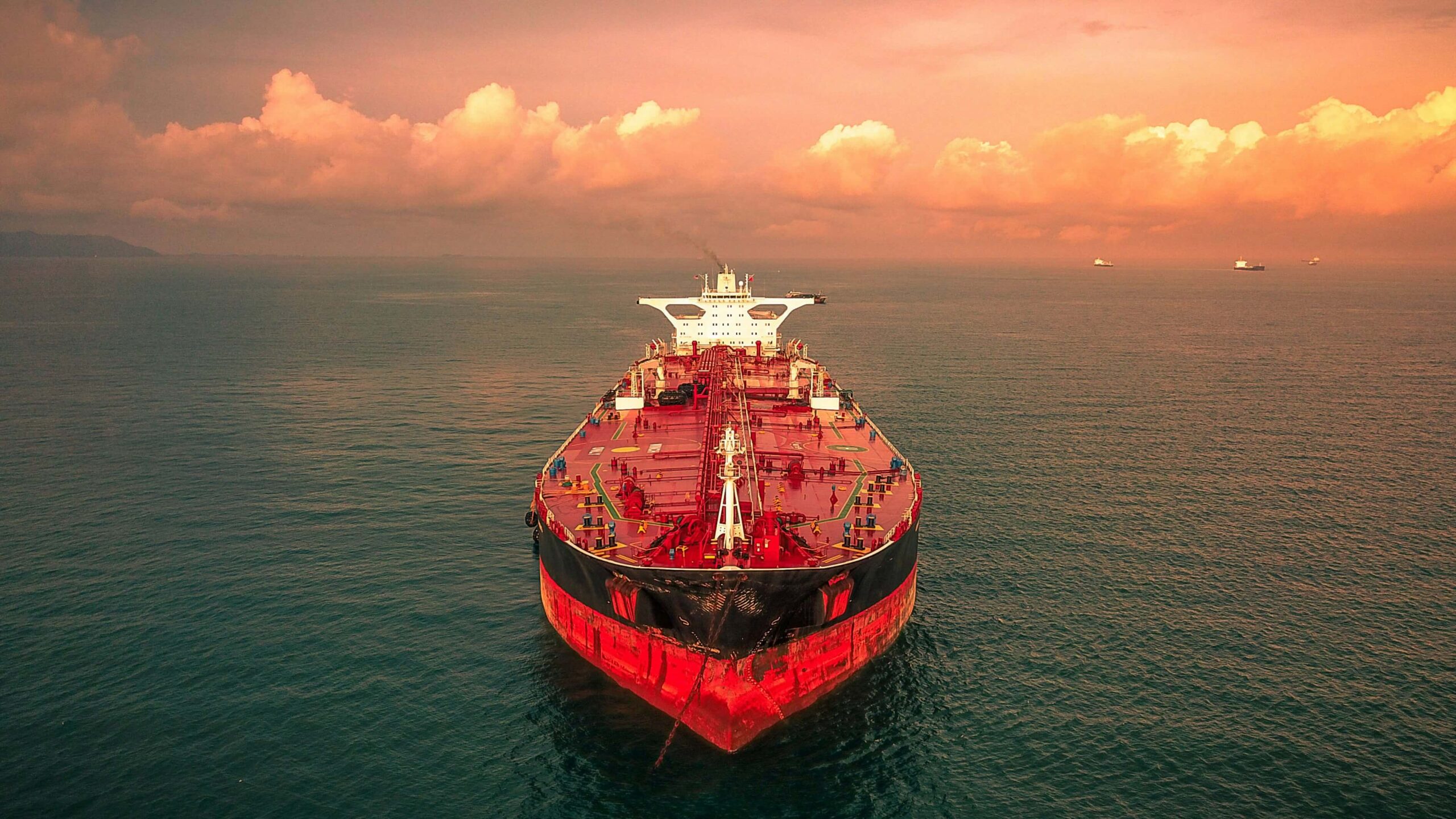
The European Union is prepared to impose a full ban on maritime services for Russian oil tankers, even if G7 allies cannot reach a consensus, Valdis Dombrovskis said. EU officials are pushing to approve the 20th sanctions package by 24 February, marking four years since Russia’s full-scale invasion of Ukraine.
If enacted, the ban would effectively override the G7’s existing oil price cap within the EU. European companies would be forbidden from servicing Russian tankers regardless of the price of Urals crude, which is currently capped at $44.10 per barrel. Dombrovskis emphasized that coordination with G7 partners is desirable but not essential, signaling a shift from the Commission’s earlier stance, which suggested waiting for a collective decision.
G7 Coordination Remains Uncertain
It is still unclear how many G7 members are willing to mirror the EU’s approach and lift the price cap. Officials in the United Kingdom, Canada, and Australia have confirmed awareness of the EU proposal and are in ongoing discussions. A spokesperson from the UK Foreign Office said efforts continue to coordinate pressure on Russia’s energy revenues.
Meanwhile, United States and Japan have not responded publicly. Within the EU, concerns have been raised by Greece, whose maritime industry worries that a unilateral ban could boost competition from India and China, strengthen Russia’s “shadow fleet,” and encourage deflagging — the practice of moving ships to foreign registries to avoid sanctions.
Kyrgyzstan in the Spotlight
The sanctions package also proposes activating the EU’s Anti-Circumvention Tool for the first time, targeting exports of EU-made machinery and radios that could be re-exported to Russia. Kyrgyzstan, which shares a customs union with Russia, has drawn scrutiny due to suspicions it serves as a back channel for blacklisted items.
EU exports to Kyrgyzstan have surged dramatically, from €263 million in 2021 to €2.5 billion in 2024, with more than half consisting of machinery and transport equipment — goods that Brussels fears could be redirected to support Russia’s military efforts. Kyrgyz authorities have not responded to requests for comment.
Negotiations among EU ambassadors are ongoing this week to finalize the sanctions package by the 24 February deadline, though some diplomats warn the timeline could slip if more time is needed to secure agreement.
