

Eight Countries Secure SAFE Funding
The European Commission has approved defence investment plans from eight EU nations under its new €150 billion Security Action for Europe (SAFE) programme. Estonia, Greece, Italy, Latvia, Lithuania, Poland, Slovakia, and Finland will share €74 billion in loans, with Poland alone requesting €43.7 billion.
This marks the second round of approvals after eight other countries — Belgium, Bulgaria, Denmark, Spain, Croatia, Cyprus, Portugal, and Romania — were granted €38 billion in funding earlier in January. SAFE is a key part of the EU’s Readiness 2030 strategy, designed to channel up to €800 billion into defence by the end of the decade, amid intelligence warnings that Russia could threaten another European country.
Strengthening Europe’s Military Capability
Defence Commissioner Andrius Kubilius described the latest approvals as a shift from strategy to tangible military strength. “We are no longer just drafting strategies; we are building a hard-power reality,” he said, emphasizing that the programme sends a clear signal to both European defence industries and potential adversaries about Europe’s commitment to sovereignty and preparedness.
Nineteen member states have applied for SAFE funding so far, with allocations provisionally agreed last September. The national plans of Czechia, France, and Hungary are still under review. EU ministers now have four weeks to approve all plans, with the first payments expected in March 2026.
Investing in European Defence Industry
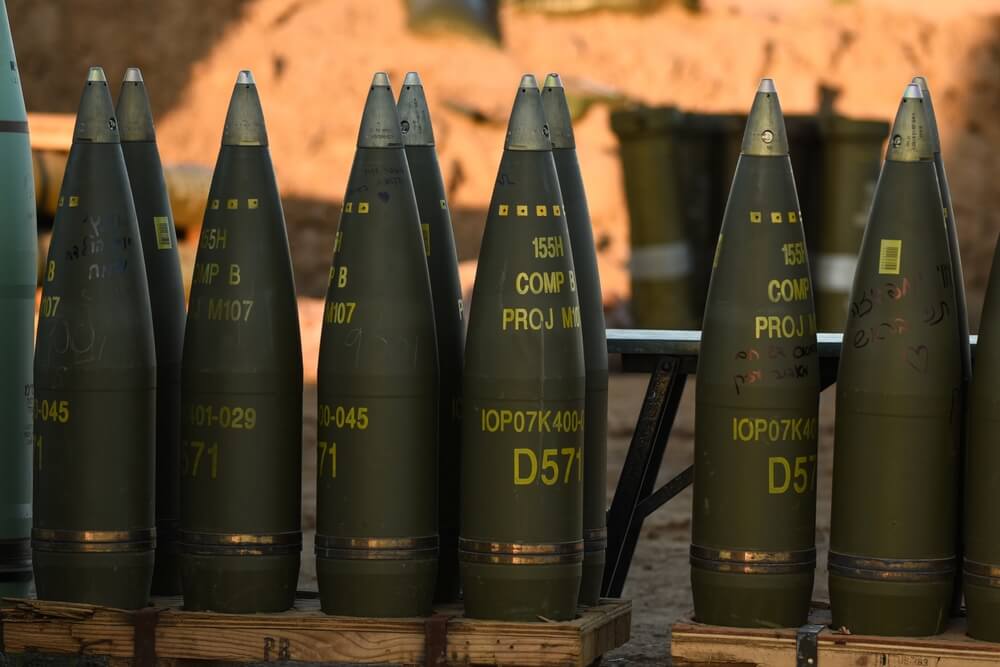
SAFE is designed to support the procurement of priority defence products, including missiles, ammunition, artillery systems, drones, air and missile defence, cybersecurity tools, AI technology, electronic warfare systems, and protection of critical infrastructure and space assets. A key requirement is that the equipment be largely European-made, with no more than 35% of components sourced outside the EU, EEA-EFTA countries, or Ukraine. Canada can also participate under a bilateral agreement.
The scheme is particularly beneficial for member states with lower credit ratings, as it allows them to borrow at more favourable rates than on national markets. Germany, which has a strong credit rating, did not request SAFE funds. European Commission President Ursula von der Leyen has indicated that the programme’s popularity — it was initially oversubscribed with requests exceeding €150 billion — could lead to further expansion.
