

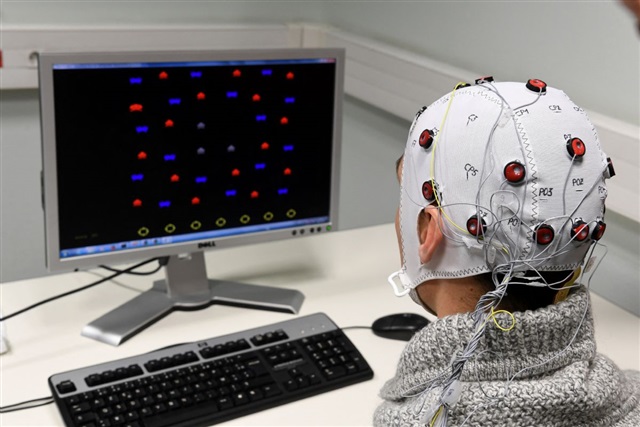
China is making fast progress in brain-computer interface technology. Shanghai-based startup NeuroXess recently reported early human trial results that suggest major potential for neuroscience innovation.
In the trial, a patient was able to control a computer cursor just days after receiving a brain implant. This success demonstrates both the speed of learning and the precision possible with advanced BCI devices.
NeuroXess’ breakthrough highlights China’s growing expertise in cutting-edge neuroscience. While much BCI research has focused on labs in the United States and Europe, China is rapidly closing the gap with practical human applications.
Brain-computer interfaces connect the human brain directly to computers. This allows signals from the brain to control devices, offering possibilities for medical care, communication aids, and even new forms of human-computer interaction.
In the NeuroXess trial, the patient successfully moved a cursor across a screen using only brain signals. Experts say achieving control within a few days is unusually fast and reflects high-quality neural implant design and software.
Such results could pave the way for treatments that restore mobility to patients with paralysis or other neurological conditions. By translating thought into action quickly, BCIs like these may improve daily life for millions.
China has invested heavily in neuroscience research in recent years. Government support and private startups have accelerated progress in AI, robotics, and BCI technologies. NeuroXess’ trial is a clear sign that these investments are starting to produce tangible results.
The speed and efficiency of NeuroXess’ trial suggest the company could become a leader in commercial BCI devices. Experts note that while human trials are still in early stages, successful cursor control indicates strong potential for more complex applications, such as controlling robotic limbs or aiding patients with communication difficulties.
Advances in brain-computer interface technology could have global effects. Countries racing to develop BCI may shape the future of medicine, communication, and human-computer interaction. China’s early success signals its determination to be at the forefront of these changes.
For patients and researchers, these breakthroughs offer hope. Faster learning curves and improved control in trials make future BCI devices more feasible and safer. This progress also reinforces the need for international collaboration on standards, ethics, and safety in human trials.
NeuroXess plans to continue expanding its human trials, refining both implants and software. The company aims to explore broader applications, including assisting patients with severe motor impairments.
China brain-computer interface research is now attracting worldwide attention. Early human trial results, such as cursor control in days, demonstrate both technical expertise and a commitment to rapid innovation. Observers expect more breakthroughs to follow as the technology develops.
