

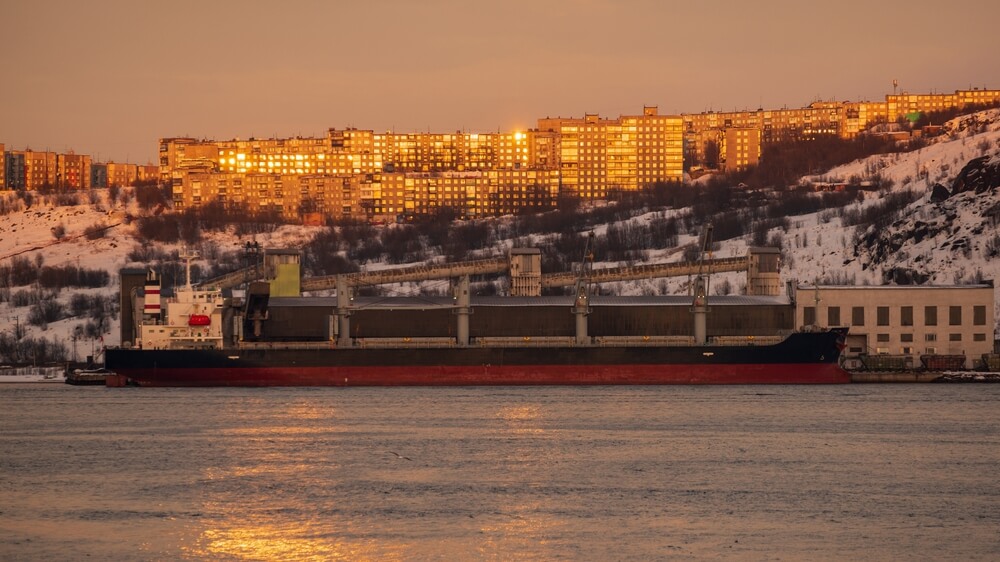
Melting Ice Opens the Door to More Ships
As global temperatures rise, the Arctic Ocean is losing sea ice at a rapid pace, opening up shipping routes that were once locked in ice year-round. Cargo vessels, fishing boats and even cruise ships are increasingly navigating these waters, drawn by shorter routes and new economic opportunities. But this surge in Arctic traffic comes with a hidden cost: pollution that is making the region warm even faster.
One of the biggest culprits is black carbon, a sooty pollutant released from ship exhaust. When it settles on snow and ice, it darkens the surface, reducing its ability to reflect sunlight. Instead of bouncing heat back into space, the ice absorbs it, speeding up melting in what experts describe as a dangerous feedback loop.
“It ends up in a never-ending cycle of increased warming,” says Sian Prior of the Clean Arctic Alliance. “We need to regulate emissions and black carbon in particular. Right now, they’re essentially unregulated in the Arctic.”
A Push for Cleaner Fuels Meets Political Headwinds
Several countries are now urging the International Maritime Organization (IMO) to act. France, Germany, Denmark and the Solomon Islands have proposed requiring ships operating north of the 60th parallel to use so-called “polar fuels,” which are cleaner and emit less carbon pollution than the heavy residual fuels commonly used today. The proposal outlines how shipping companies would comply and could be discussed further in the coming months.
Progress, however, has been slow. A 2024 ban on heavy fuel oil in the Arctic has had limited impact due to exemptions that allow some ships to keep using it until 2029. Broader efforts to rein in shipping emissions have also stalled amid geopolitical tensions and resistance from leaders skeptical of climate action. Environmental concerns have been further overshadowed by debates over Arctic security and sovereignty, including renewed attention on Greenland.
Rising Traffic, Rising Emissions
The numbers highlight the scale of the problem. Between 2013 and 2023, ship traffic north of the 60th parallel rose by 37%, while the total distance traveled by vessels more than doubled. Over the same period, black carbon emissions from Arctic shipping climbed sharply, with fishing boats identified as the largest source.
Even within Arctic nations, support for tougher rules is far from unanimous. In Iceland, for example, environmental groups say the powerful fishing industry has slowed efforts to clean up maritime pollution, despite the country’s strong green credentials elsewhere. While the government has expressed cautious support for reducing emissions, it has yet to fully back the polar fuels proposal.
Environmental advocates argue that regulating ship fuel is the most realistic way to curb black carbon, since limiting Arctic traffic outright is unlikely. The economic pull of fishing, resource extraction and faster shipping routes remains strong. Still, some companies are choosing caution. Mediterranean Shipping Company, the world’s largest container carrier, has publicly pledged not to use the Northern Sea Route, citing both environmental risks and safety concerns.
As Arctic ice continues to retreat, the debate over how to protect one of the planet’s most fragile regions is only intensifying — and the decisions made now could shape its future for decades to come.
