

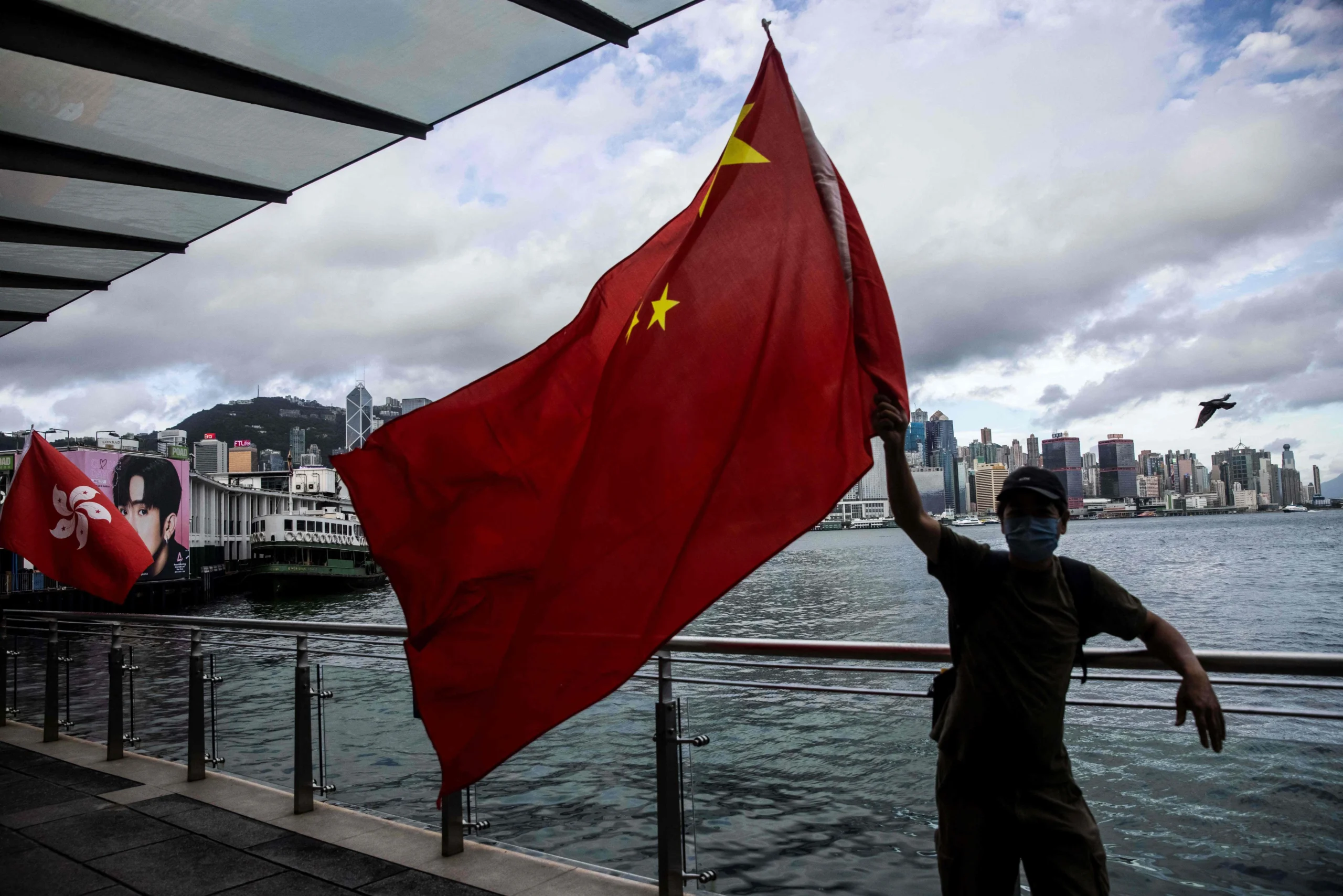
The Hong Kong government has strongly rejected an annual report from a US congressional commission that accused the city of expanding its national security powers. Officials described the report as biased and argued that its statements misrepresented the situation in Hong Kong. The government also urged the United States to avoid interfering in the city’s affairs. The response followed the publication of findings by the US-China Economic and Security Review Commission, which examined political developments and the use of national security laws in Hong Kong.
The US commission’s report raised concerns about several areas, including the city’s approach to media coverage and restrictions connected to the investigation of the Wang Fuk Court fire. The fire was one of the deadliest incidents in Hong Kong in decades and prompted public attention towards building safety, government accountability and the handling of information. The report argued that national security measures had affected the environment in which journalists and other members of the public could discuss sensitive issues. Hong Kong officials rejected those claims and said the city’s legal system continued to protect fundamental rights and freedoms.
The disagreement reflects the wider political tensions between Washington and Beijing over Hong Kong’s status and governance. The United States has regularly criticised China’s influence over the city and raised concerns about the implementation of national security legislation. Beijing and Hong Kong authorities have defended the measures, arguing that they are necessary to maintain stability and protect national security. These different positions have affected diplomatic relations and contributed to continuing disputes over how political freedoms and security responsibilities should be balanced.
The latest exchange is unlikely to end the debate between the two sides. The United States commission is expected to continue examining developments in Hong Kong, while local officials remain determined to defend the city’s policies against international criticism. The disagreement also demonstrates how Hong Kong’s political situation continues to influence its relationship with foreign governments and international organisations. For businesses and residents, the debate matters because international confidence in the city can be influenced by perceptions of political stability, legal protections and the ability to operate in an open commercial environment.
