

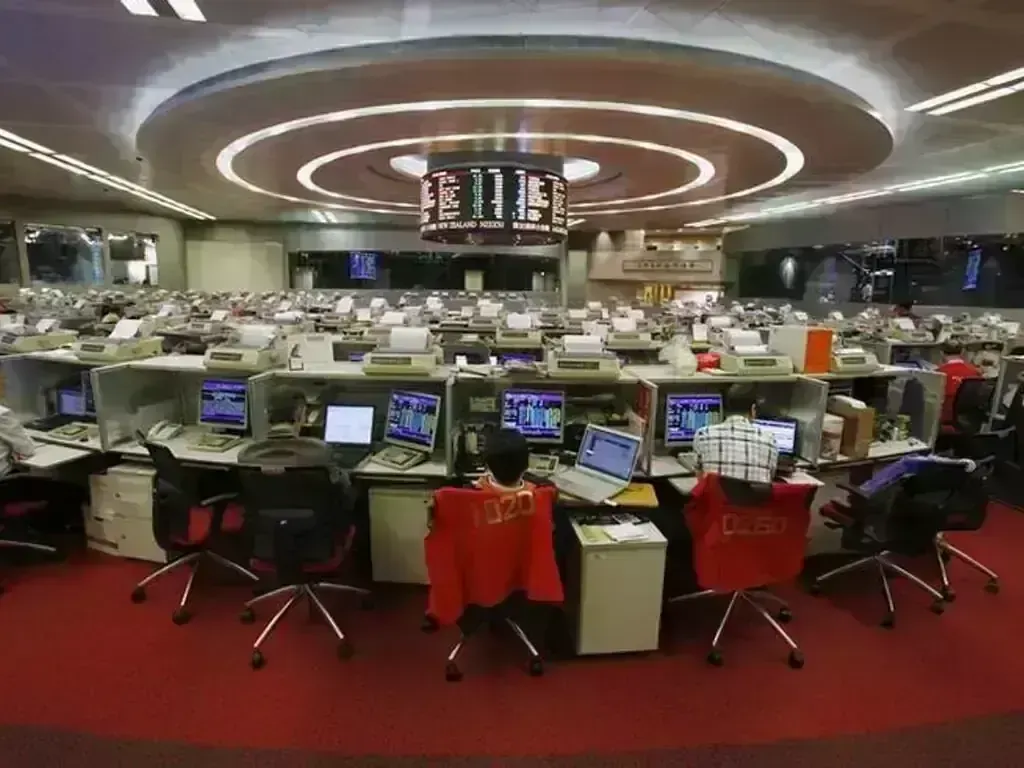
Hong Kong’s stock market suffered a sharp decline on Friday as investors reacted to renewed trade tensions between the United States and China and growing uncertainty surrounding the global technology sector. The Hang Seng Index fell by about two per cent, reaching its lowest level in four months, while the Hang Seng Tech Index continued a prolonged losing streak. The weakness came despite recent meetings between US President Donald Trump and Chinese President Xi Jinping in Shenzhen, which had raised hopes that the two governments might find ways to reduce economic tensions. Investors remained cautious as concerns about trade restrictions and possible interest-rate increases weighed on market confidence.
Technology shares were among the biggest sources of pressure, with the Hang Seng Tech Index reaching a level not seen for more than two years. The decline reflected concerns about the future performance of major technology companies and the effect of tighter US restrictions on China’s access to advanced artificial intelligence chips. Investors have become more sensitive to developments involving semiconductor exports, cloud computing and AI investment because these industries are closely connected to the future growth of many large Chinese businesses. Continued weakness in technology shares has also contributed to the wider market’s recent decline.
Mainland Chinese markets also remained under pressure during the trading session. The CSI300 index finished almost unchanged, while the Shanghai Composite Index fell and reached its lowest level in more than 15 months. The performance showed that concerns were not limited to Hong Kong, as investors across the region continued to assess the impact of international trade disputes and the possibility of tighter financial conditions. Expectations of further US interest-rate increases also affected risk appetite, because higher borrowing costs can make investors less willing to hold shares in companies whose future earnings remain uncertain.
The latest market decline demonstrates the difficulty of restoring investor confidence while economic and political disagreements continue between the world’s two largest economies. Xi has said China remains committed to maintaining a stable relationship with the United States, but Beijing has strongly criticised recent American trade and technology restrictions. The meetings in Shenzhen may provide an opportunity for dialogue, yet investors are waiting for clearer signs that the two sides can reduce tensions. Until that happens, Hong Kong and mainland Chinese markets may remain sensitive to developments involving trade policy, artificial intelligence, interest rates and the performance of major technology companies.
