

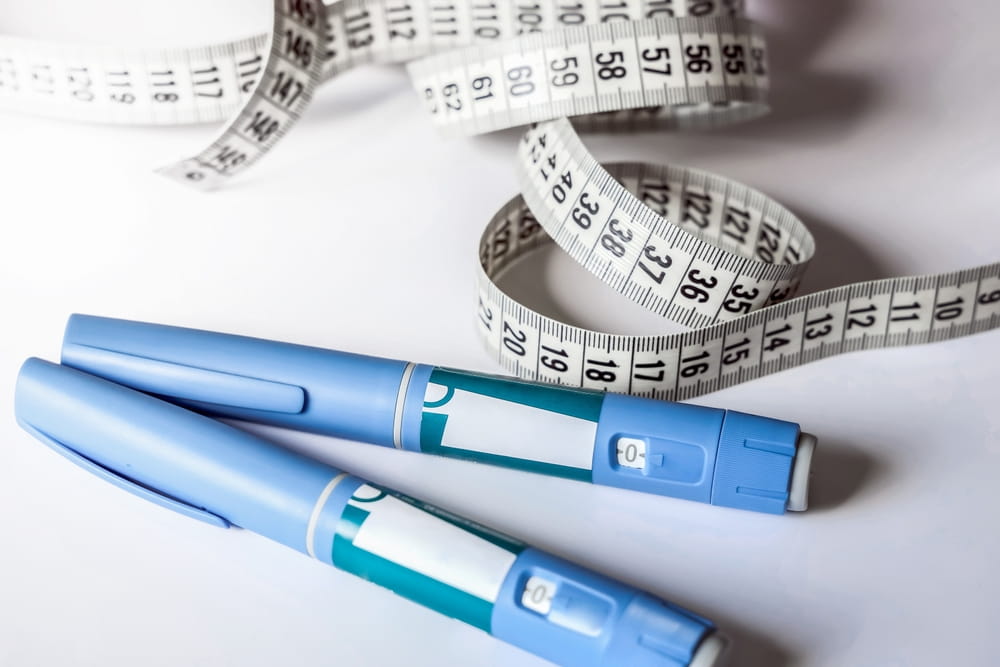
The shift from injections to tablets is pushing weight-loss drugs further into the mainstream.
New daily pills that mimic the appetite hormone GLP-1 could broaden access and demand.
Analysts predict the sector could reach $200bn by the end of the decade.
Melody Ewert switched from Zepbound to the new oral Wegovy after her insurance costs surged.
She had already lost weight with medication and lifestyle changes.
She now reports steadier appetite control with the daily pill.
Other patients say tablets are simpler and avoid injections.
Novo Nordisk launched the first GLP-1 weight-loss pill in the US in December.
Prescriptions quickly reached about 50,000 a week.
The drug became one of the fastest launches ever, according to analysts.
However, concerns remain about price, supply and side-effects.
Tablets appeal to people who dislike needles.
They are cheaper and do not require refrigeration.
In the UK, regulators are still assessing the pill for approval.
Limited public coverage means many users currently pay privately.
Obesity rates continue to rise worldwide.
Researchers expect more than half of adults to be overweight by 2050.
Demand for treatment is growing rapidly, especially in lower-income groups.
Pills could improve cost-effectiveness for health systems compared with injections.
Competition between drugmakers is intensifying.
Eli Lilly plans to launch its own pill, orforglipron, soon.
Unlike Novo’s product, it does not require fasting before use.
Rivals and biotech firms are also developing oral and combination therapies.
Injections still deliver greater weight loss in clinical trials.
Patients with severe obesity may continue to prefer them.
Pills are expected to attract new users with milder weight problems.
Falling prices, wider insurance coverage and more drug options are expanding the market.
Researchers say the global eligible population remains largely untreated.
The move from weekly injections to daily tablets marks a pivotal phase for the industry.
