

Musk’s Empire Shifts Toward Space and AI
Elon Musk’s SpaceX has reached a valuation of $1.25 trillion (€1.06tn) following its merger with artificial intelligence venture xAI, bringing it closer to Tesla’s market capitalisation and reshaping the distribution of wealth within Musk’s business empire. Tesla currently sits at around $1.58 trillion (€1.34tn), only about 26% higher than the newly combined SpaceX-xAI valuation. On paper, Musk now derives more of his wealth from rockets and AI than from electric vehicles.
Tesla Faces Slowing Growth and Strategic Changes
Tesla’s stock has struggled in early 2026, down roughly 6% this year after a 16% fall in vehicle deliveries and a 3% decline in annual revenue for 2025 — its first annual drop on record. Rising competition in Europe and China, coupled with the end of U.S. federal EV tax credits, has pressured the core business. Musk’s political activity, including ties to former U.S. administration figures and support for far-right groups in Europe, has also weighed on the brand.
In response, Tesla is pivoting toward robotaxi services and its Optimus humanoid robots, though these ventures are still in early development. The company announced plans to end production of the Model S and Model X, which accounted for less than 3% of deliveries last year, and reallocate those production lines to focus on robotics.
SpaceX Dominates While Risks Grow
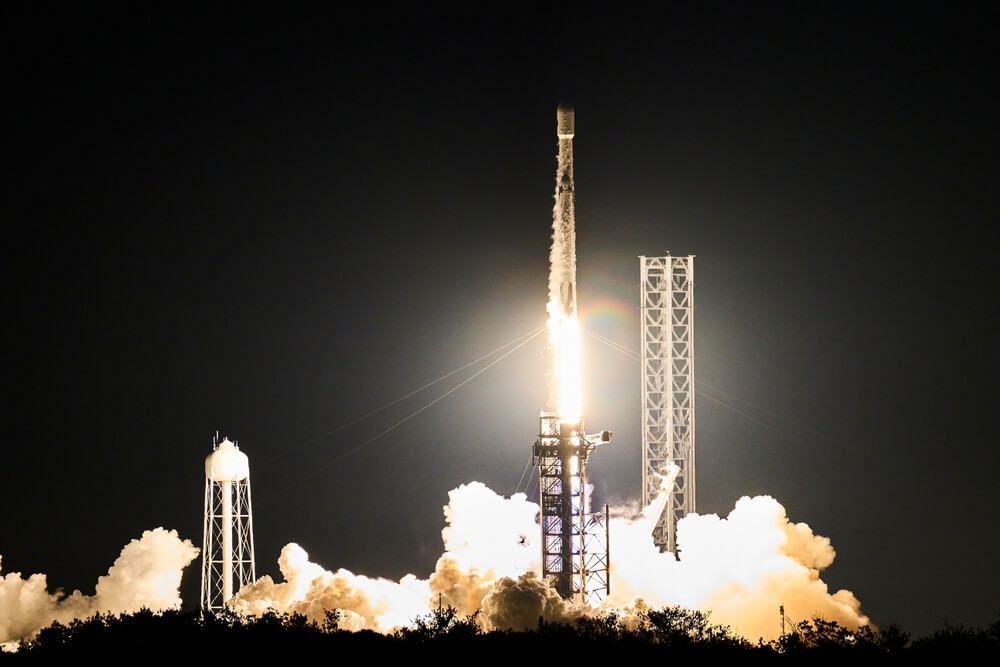
Meanwhile, SpaceX maintains a dominant position in orbital launches, with multi-billion-dollar contracts from NASA and the U.S. Department of Defense, as well as operating the Starlink satellite network with over 9,000 satellites and around nine million customers. The merger values SpaceX at $1 trillion (€847bn) and xAI at $250 billion (€212bn). Musk says the tie-up will support long-term projects such as space-based data centres, potentially relieving Earth’s energy constraints, though these remain technically and financially challenging.
The merger also introduces regulatory and political risks. xAI is under investigation in Europe, India, Malaysia, and the U.S. over its Grok image generator and related deepfake content, while French authorities recently raided X’s offices over alleged algorithmic misuse. Legal experts warn that some of these risks could spill over to SpaceX, especially given Starlink’s international reach.
For now, these risks are easier to manage while SpaceX remains privately held, but a future public listing could test investor confidence in the company’s valuation amid mounting scrutiny.
