

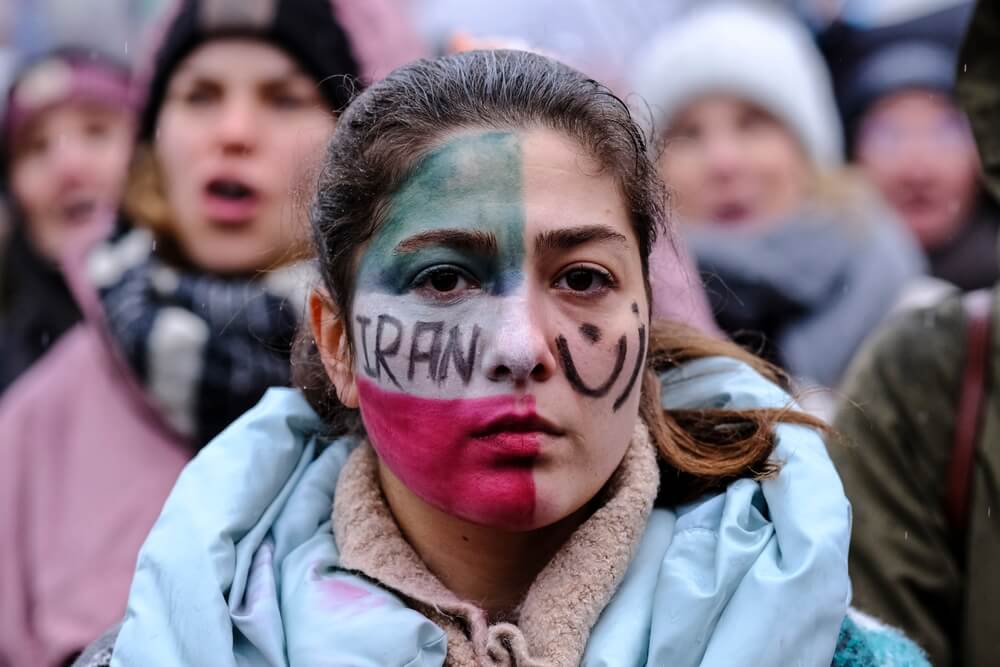
Iran is facing a new wave of unrest as thousands of people took to the streets in Tehran and across the country following calls from exiled crown prince Reza Pahlavi. The protests, which began in late December over economic hardship, have escalated into a deadly confrontation with security forces.
Streets Fill as Iran Cuts Communications
On Thursday night, residents of Tehran shouted from their windows and gathered in public spaces after Pahlavi urged mass demonstrations at 8 p.m. local time. Witnesses reported chants of “Death to the dictator!” and “Death to the Islamic Republic!” while some shouted support for the former monarchy, declaring, “This is the last battle! Pahlavi will return!”
Almost immediately, internet and phone services across the country went dark. Both Cloudflare and the digital watchdog NetBlocks confirmed that the outage appeared to be caused by government interference. Calls from abroad, including Dubai, failed to connect. Historically, these types of blackouts have often preceded harsh crackdowns.
Rising Toll and Nationwide Pressure
The Norway-based Iran Human Rights NGO says at least 45 protesters have been killed since the unrest began. Meanwhile, the US-based Human Rights Activists News Agency reports more than 2,260 people detained and at least 39 fatalities linked to demonstrations on Thursday.
Markets and bazaars across several cities closed in solidarity with the protests, signaling growing pressure on both Iran’s civilian government and Supreme Leader Ayatollah Ali Khamenei. Despite the protests’ scale, the Iranian authorities have yet to publicly acknowledge the nationwide unrest. Hardline media, such as Kayhan newspaper, suggested security forces might use drones to identify demonstrators.
Calls for Change Amid International Attention
Crown Prince Pahlavi called on Iranians to unite and make their voices heard, warning Tehran that the world, including US President Donald Trump, was watching. “Great nation of Iran, the eyes of the world are upon you. Take to the streets and, as a united front, shout your demands,” he said.
Analysts note that the protests remain largely leaderless, a factor that has hindered past movements. Nate Swanson from the Atlantic Council highlighted that potential leaders have often been arrested, exiled, or silenced by security forces.
International attention is mounting. Trump warned Tehran against violent suppression of peaceful protesters, while European Parliament President Roberta Metsola praised the courage of Iranians speaking out for freedom and dignity. She said, “The people of Iran are not protesting, they are crying out. Europe hears them, the world hears them.”
