

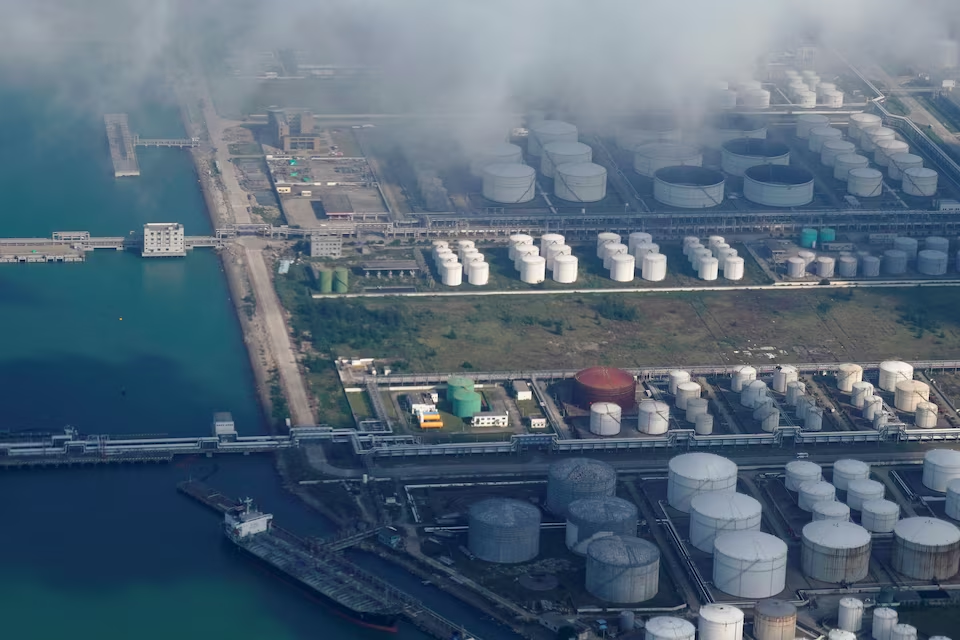
China is increasing its strategic oil reserves, a move that supports energy security and helps stabilize global markets. Recent reports show the country is importing more than 11 million barrels of oil per day, directing roughly 1 to 1.2 million barrels daily into national reserves.
The expansion of strategic reserves signals China’s focus on long-term energy security. By stockpiling oil, the country prepares for supply disruptions, price fluctuations, or unexpected demand spikes. Analysts say this approach strengthens China’s resilience against global market shocks.
Global oil markets also benefit from China’s reserve-building strategy. Strategic stockpiling can reduce sudden demand swings, contributing to steadier prices. Stability in China, the world’s largest oil importer, helps provide predictability for exporters and international buyers alike.
Energy experts note that maintaining robust reserves is a key component of national security. Oil remains central to China’s industrial and economic growth, powering manufacturing, transportation, and electricity production. Increasing reserves ensures the country can continue operations even if imports temporarily slow.
The move comes amid broader global energy concerns. Supply chains have been under pressure, and geopolitical tensions can create volatility. China’s actions signal preparation for potential disruptions while also reassuring global markets of ongoing demand management.
Importing over 11 million barrels per day shows that China is maintaining a strong position in energy procurement. By diverting a portion into reserves, the country balances current consumption needs with long-term security objectives. This dual approach benefits both domestic and international stakeholders.
Analysts also highlight that China’s reserve strategy may influence global oil prices. Predictable reserve-building reduces panic buying or sudden surges in imports, helping markets remain calmer during periods of uncertainty. This contributes to energy stability worldwide.
The initiative reflects a strategic, forward-looking approach. Governments and energy companies watch closely, as reserve policies can impact trade flows, shipping schedules, and pricing benchmarks. China’s decisions are likely to shape global oil strategies in the near term.
For domestic industries, growing reserves provide a safety net. Businesses relying on oil for production can continue operations with reduced risk of sudden shortages or cost spikes. This reliability supports broader economic growth and industrial planning.
Energy market observers say China’s focus on reserves underscores the importance of strategic planning in global oil markets. Countries and companies increasingly recognize that energy security is not just about current supply but also preparedness for future challenges.
Overall, China’s actions enhance energy security while supporting global market stability. Importing high volumes of oil and directing a consistent flow into strategic reserves helps mitigate risks and provides confidence for international trade partners.
By strengthening its energy reserves, China positions itself to manage both domestic demand and global market dynamics. Analysts expect that steady, well-planned reserve strategies will continue to be a critical factor in shaping global energy stability.
