

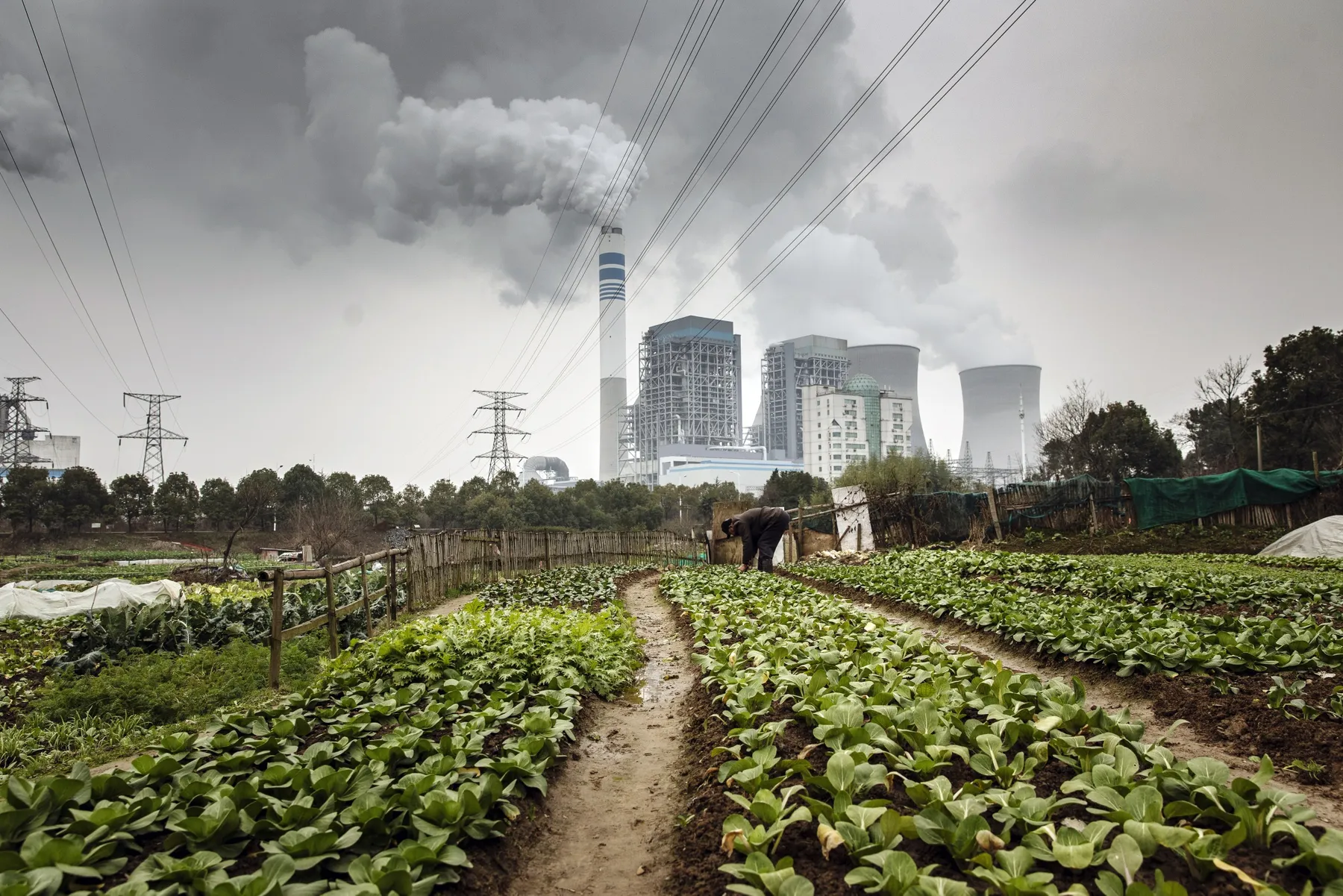
China is intensifying efforts to reduce non‑CO₂ greenhouse gases as part of its climate strategy for 2035. For the first time, the country’s nationally determined contributions (NDCs) explicitly include methane, nitrous oxide, and fluorinated gases in total emission controls.
The new measures cover multiple sectors, including energy, agriculture, and waste treatment. By addressing these potent greenhouse gases, China aims to complement its carbon dioxide reduction efforts and strengthen overall climate action.
Methane and nitrous oxide are particularly powerful contributors to global warming. Methane has a warming potential over 25 times that of CO₂ over a 100-year period, while nitrous oxide is about 300 times stronger. F‑gases, often used in refrigeration and industrial applications, are even more potent, though less abundant.
State authorities are emphasizing sector-specific regulations to curb emissions. In the energy sector, stricter controls on coal mining, oil and gas production, and natural gas distribution are planned. Agriculture policies include improved manure management, fertilizer use reduction, and methane capture from livestock operations.
Waste treatment is another focus. Landfill emissions, wastewater treatment, and industrial waste management practices will be upgraded to reduce methane and other non‑CO₂ gases. These measures are expected to improve environmental performance while generating co-benefits, such as energy recovery and reduced local pollution.
Experts note that including non‑CO₂ gases in national targets marks a significant shift in China’s climate approach. Historically, emissions controls focused primarily on CO₂. Expanding the scope signals stronger commitment to comprehensive climate mitigation.
China’s move also aligns with international climate expectations. The Paris Agreement encourages countries to consider all greenhouse gases, and including methane, nitrous oxide, and F‑gases strengthens China’s contribution to global climate goals.
Policy implementation will involve monitoring, reporting, and verification systems to ensure measurable reductions. Technologies for emissions detection, capture, and treatment are expected to play a key role in achieving the targets.
The measures are expected to have multiple benefits. Beyond reducing global warming potential, they improve local air quality, promote sustainable agriculture, and foster innovation in clean technology.
Analysts highlight that tackling non‑CO₂ gases is critical for meeting long-term climate targets. Even if CO₂ emissions are reduced, potent gases like methane can undermine progress. Comprehensive management ensures more effective climate mitigation.
China’s approach demonstrates a more integrated strategy, linking environmental protection with energy security, agricultural efficiency, and industrial modernization. This holistic method strengthens both domestic and international credibility.
The expansion of emission controls also creates opportunities for clean-technology industries. Companies developing methane capture, fertilizer efficiency, and waste gas treatment solutions are expected to see growing demand.
In summary, China’s inclusion of non‑CO₂ gases in its 2035 climate goals marks a major development in its environmental policy. The approach spans energy, agriculture, and waste sectors, emphasizing measurable reductions and sustainable practices.
By addressing methane, nitrous oxide, and fluorinated gases, China strengthens its commitment to global climate action while supporting innovation and improving environmental quality at home. This step demonstrates the importance of comprehensive strategies in meeting long-term climate targets.
