

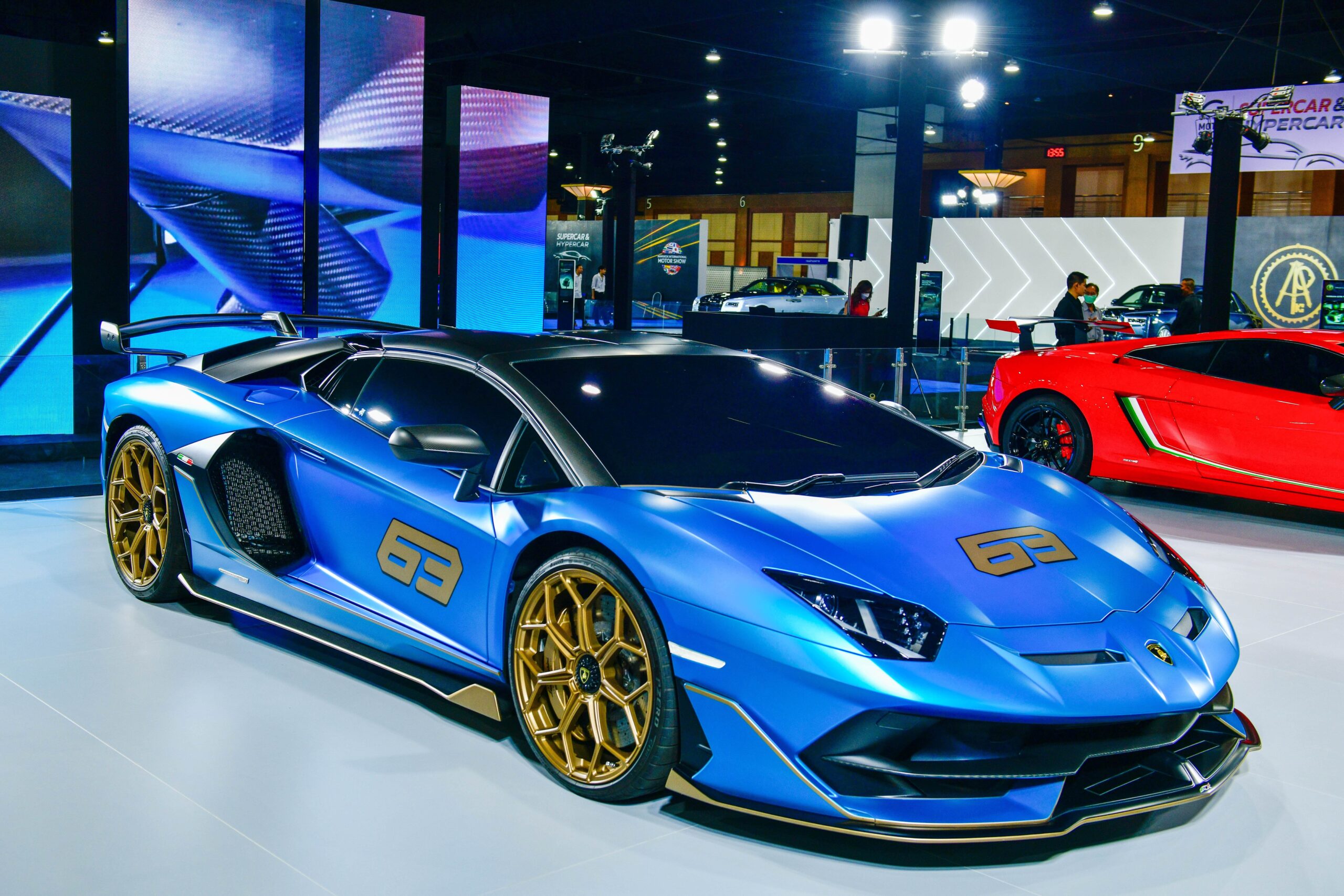
Lamborghini’s chief executive says the brand’s fans still crave the roar, emotion, and power of petrol engines. The Italian supercar maker plans to keep them alive for at least another decade before going fully electric.
Turning away from an all-electric rush
During an interview at Lamborghini’s London showroom, CEO Stephan Winkelmann said enthusiasm for electric cars is falling. He sees this as a chance for the company to strengthen its commitment to hybrid performance instead of going all-in on electric power.
The company will decide within weeks whether its upcoming grand tourer, the Lanzador, will be a pure electric model or a plug-in hybrid. Winkelmann said Lamborghini remains socially responsible but added that, as a low-volume manufacturer, its environmental impact is naturally limited.
Engineering passion with hybrid power
Lamborghini, part of the Volkswagen Group, currently produces three main models. The Temerario and Revuelto are plug-in hybrid supercars that combine high-revving petrol engines with electric motors. They can drive short distances in electric mode but focus on performance and emotion.
The Urus, Lamborghini’s luxury SUV, is sold as both a plug-in hybrid and a petrol model. It’s less flashy than the brand’s supercars but accounts for more than half of Lamborghini’s total sales.
At the extreme end sits the Fenomeno, a limited-edition supercar reaching more than 215 mph. Only 30 will ever be built, with each priced from €3 million before taxes.
Electric dreams take a back seat
Two years ago, Lamborghini planned an all-electric successor to the Urus for 2029. That launch has now been delayed to at least 2035.
The Lanzador project also faces uncertainty. Winkelmann said the company is reconsidering whether to keep it fully electric or switch to a plug-in hybrid concept.
He pointed to slowing demand for high-end electric vehicles. “Today, enthusiasm for electric cars is going down,” he said. “We see a strong opportunity to keep combustion engines and batteries working together longer than expected.”
Emotion over silence
Winkelmann believes the emotional connection between driver and engine defines Lamborghini’s spirit. “Our customers still want the sound, vibration, and excitement of a combustion engine,” he said.
That position differs sharply from Ferrari’s approach. The rival brand is moving ahead with its first all-electric car, the Elettrica, set to debut next year. Ferrari promises the new model will keep its distinctive passion and soul — even without the engine’s roar.
A responsible but realistic stance
Winkelmann said Lamborghini acknowledges the global push for lower emissions but remains aware of its limited impact. “We sell 10,000 cars in a world that produces 80 million each year, so our CO₂ footprint is very small,” he said.
He added, “We are socially responsible, but our influence is minimal.”
From 2035, new petrol and diesel cars — including plug-in hybrids — will be banned across the EU and the UK. However, several carmakers are urging regulators to delay the transition, arguing that economic and industrial realities require more time.
If the timeline shifts, combustion engines could stay in production beyond 2035. The UK will also allow small manufacturers making under 2,500 cars a year to continue selling petrol-powered vehicles. Lamborghini, which sold 795 cars in the UK last year, qualifies for that exemption.
